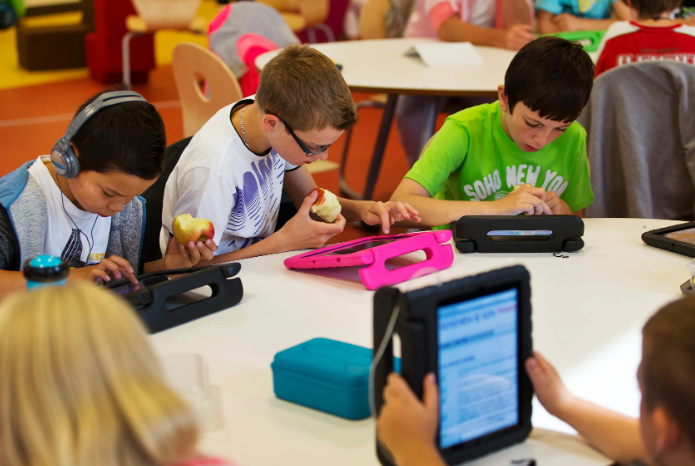
Technology has fundamentally transformed modern education. It enhances engagement through interactive tools and fosters personalized learning experiences. The emergence of virtual classrooms has facilitated collaboration and access to diverse resources. As pedagogical practices shift, the role of technology continues to evolve, raising questions about its long-term impact on learning. What implications do these advancements hold for the future of education and student autonomy? Exploring this further reveals a landscape rich with possibilities.
Enhancing Engagement Through Interactive Learning Tools
How can interactive learning tools transform student engagement in the classroom?
By incorporating gamified learning and multimedia resources, educators can create dynamic environments that stimulate curiosity and collaboration.
These tools not only foster deeper understanding but also encourage active participation, allowing students to take ownership of their learning.
Ultimately, this approach cultivates a sense of freedom and empowerment, essential for modern education.
See aslo: garrutrucoff
The Rise of Virtual Classrooms
What factors have contributed to the rapid adoption of virtual classrooms in recent years?
The shift towards remote learning has been fueled by advancements in technology, enabling seamless virtual collaboration and efficient remote assessments.
This evolution allows learners to engage from diverse locations, promoting inclusivity and accessibility while fostering independence.
Consequently, virtual classrooms have emerged as a vital component of contemporary education, reflecting a transformative shift in pedagogical practices.
Personalized Learning Experiences
While traditional educational models often adhered to a one-size-fits-all approach, the advent of technology has catalyzed the development of personalized learning experiences that cater to individual student needs.
Through adaptive assessments, educators can tailor content to match a learner’s pace, while individualized feedback fosters growth.
This innovative approach empowers students, promoting autonomy and engagement in their educational journeys, ultimately transforming learning into a more meaningful experience.
Access to Global Resources and Collaboration
In an increasingly interconnected world, the ability to access global resources and collaborate across borders has transformed the educational landscape.
Global connectivity facilitates resource sharing among institutions, enabling learners to engage with diverse perspectives and expertise.
This collaborative approach not only enriches the educational experience but also empowers students to develop critical thinking skills, fostering a culture of innovation and collective growth.
Conclusion
In the ever-evolving tapestry of education, technology weaves vibrant threads of engagement, collaboration, and personalization. Like a masterful conductor guiding an orchestra, it harmonizes diverse learning experiences, allowing students to compose their unique symphonies of knowledge. As virtual classrooms bloom and global resources unfurl, the landscape of learning becomes a boundless garden, rich with opportunity and innovation. Ultimately, technology empowers learners to navigate this expansive terrain, cultivating a future where education knows no borders.