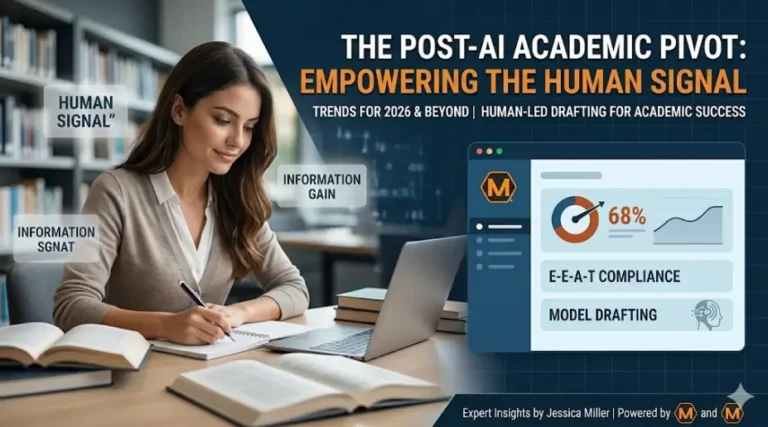
The Professional Intelligence Governance Review for the specified identifiers underscores the critical intersection of ethical standards and data governance. It examines how organizations can navigate compliance issues while maintaining data integrity. By prioritizing transparency and accountability, entities not only build stakeholder trust but also align with broader societal interests. However, the complexities of these governance frameworks present challenges that necessitate further exploration to ensure responsible intelligence utilization. What strategies can effectively address these compliance hurdles?
Understanding Professional Intelligence Governance: Key Concepts
Professional intelligence governance encompasses the frameworks, policies, and practices that guide the collection, analysis, and dissemination of intelligence within organizations.
It integrates data governance with ethical considerations, ensuring compliance frameworks are adhered to while managing risks.
Transparency measures foster accountability, and stakeholder engagement is crucial for aligning organizational objectives with public interest, ultimately promoting a culture of responsible intelligence use and informed decision-making.
Best Practices for Managing Data Integrity and Ethical Standards
While organizations increasingly rely on data-driven decision-making, maintaining data integrity and adhering to ethical standards has become paramount.
Effective practices include rigorous data validation processes to ensure accuracy and consistency, alongside the establishment of robust ethical frameworks that guide data usage.
Identifying Compliance Challenges in Professional Intelligence Governance?
Data integrity and ethical standards are foundational to effective governance in professional intelligence; however, organizations often face significant compliance challenges that hinder their ability to fully realize these principles.
Insufficient risk assessment procedures and complex regulatory frameworks can create obstacles, resulting in a lack of clarity and accountability.
These challenges necessitate a critical examination of current practices to ensure adherence to both ethical and legal requirements.
Solutions to Compliance Challenges in Professional Intelligence Governance
To effectively address compliance challenges in professional intelligence governance, organizations must implement a multifaceted approach that encompasses enhanced training, robust auditing mechanisms, and streamlined communication channels.
Establishing comprehensive compliance frameworks that integrate continuous risk assessment can mitigate vulnerabilities.
Moreover, fostering a culture of accountability ensures that stakeholders prioritize compliance, thereby promoting adherence to regulations and safeguarding organizational integrity in an increasingly complex environment.
Conclusion
In conclusion, the intersection of ethical considerations and data governance is crucial for professional intelligence. As organizations navigate compliance challenges, the integration of robust validation processes fosters integrity and transparency. Remarkably, these efforts not only enhance stakeholder trust but also align with the broader public interest. Thus, embracing these principles is not merely a regulatory obligation; it coincidentally cultivates informed decision-making, ultimately leading to a more responsible and effective use of intelligence in various sectors.