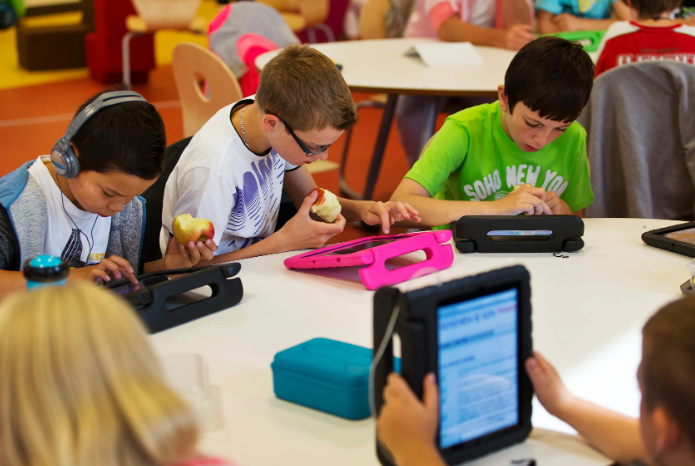
The integration of technology in online education platforms has transformed traditional learning paradigms. Interactive tools foster engagement, while adaptive systems cater to individual learning styles. Furthermore, digital collaboration enhances connectivity among students, breaking geographical barriers. As assessment methods evolve, they promise to refine the evaluation process. However, the implications of these advancements on student outcomes remain a topic of exploration. What challenges and opportunities lie ahead in this rapidly changing landscape?
Interactive Learning Experiences
Interactive learning experiences have revolutionized the landscape of online education platforms, transforming passive consumption into active engagement.
By incorporating gamified learning and virtual simulations, these platforms foster creativity and critical thinking. Learners navigate challenges, earn rewards, and immerse themselves in realistic scenarios, promoting autonomy.
This shift not only enhances knowledge retention but also cultivates a sense of freedom, encouraging individuals to explore and excel in their educational journeys.
See also: garrutrucoff
Personalized Education Through Technology
The evolution of interactive learning experiences paves the way for personalized education, harnessing technology to tailor learning paths to individual needs and preferences.
Adaptive learning systems utilize data analytics to assess student performance, enabling real-time adjustments to curricula.
This dynamic approach fosters autonomy, empowering learners to navigate their educational journeys while ensuring that each individual receives the support necessary for optimal growth and understanding.
Tools for Collaboration and Engagement
As educators seek to enhance learner engagement and collaboration, a plethora of digital tools has emerged, each designed to facilitate communication and teamwork among students.
Video conferencing platforms enable real-time discussions, while collaborative projects foster creativity and problem-solving.
These tools not only break geographical barriers but also empower learners to connect, share ideas, and innovate collectively, enhancing the overall educational experience.
Assessments and Feedback in the Digital Age
While traditional assessments often relied on standardized testing methods, the digital age has ushered in a transformative approach to evaluating student performance and providing feedback.
Automated grading systems streamline evaluation processes, allowing educators to focus more on individualized instruction.
Furthermore, real-time feedback empowers students, fostering a more engaged learning environment that encourages exploration and self-directed growth, ultimately enhancing the educational experience.
Conclusion
In summation, technology gracefully weaves a vibrant tapestry within online education platforms, transforming traditional learning into a dynamic and personalized journey. By fostering interactive experiences and encouraging collaborative endeavors, it gently nudges students toward greater engagement and exploration. Furthermore, the sophisticated assessment methods and timely feedback create an atmosphere of continuous growth and support. Ultimately, this harmonious blend of innovation and connectivity enriches the educational landscape, illuminating pathways for learners to thrive in an ever-evolving world.