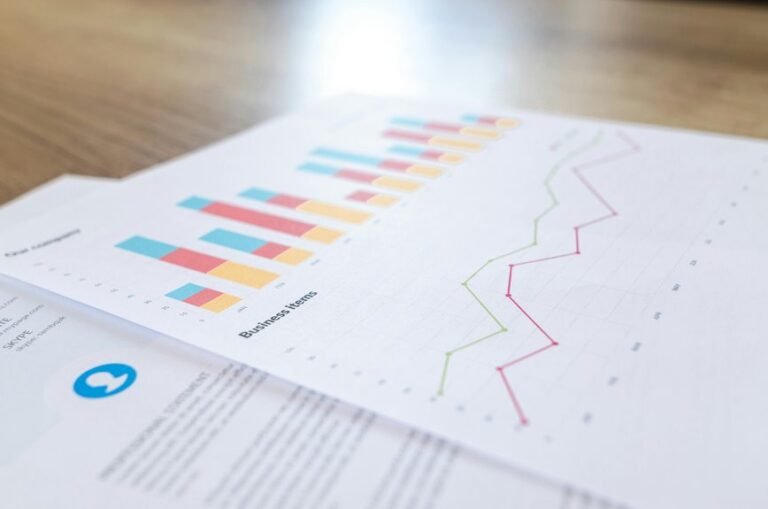
The Strategic Insight Performance Record for identifiers such as 7480533829 and 601607295 offers a framework for assessing organizational effectiveness. By examining performance metrics, businesses can pinpoint both strengths and weaknesses. This analysis not only informs strategic decisions but also highlights potential areas for improvement. Understanding these insights is crucial for organizations aiming to sustain growth. However, the implications of these findings extend beyond mere assessment, revealing deeper trends worth exploring further.
Why Performance Records Matter for Your Business
Performance records serve as critical tools for businesses, providing an empirical basis for evaluating operational effectiveness and strategic decision-making.
By analyzing performance metrics, organizations can identify strengths and weaknesses, guiding initiatives for business growth. These records facilitate informed choices, enabling companies to allocate resources effectively and adapt strategies.
Ultimately, performance records empower businesses to enhance productivity and achieve sustainable success in competitive markets.
Key Trends in Performance Data
An increasing number of organizations are harnessing advanced analytics to derive insights from performance data, reflecting a significant trend in the business landscape.
Performance analytics has become crucial for identifying strengths and weaknesses, while data visualization tools enhance comprehension and decision-making.
This shift towards leveraging technology demonstrates a commitment to informed strategies that promote efficiency and adaptability in an ever-evolving market.
Strategies for Using Performance Data
Utilizing performance data effectively requires a strategic approach that aligns data analysis with organizational goals.
Organizations should establish clear performance benchmarks to guide decision-making. By continuously monitoring these benchmarks, teams can identify trends and areas for improvement.
Integrating data insights into strategic planning fosters a culture of accountability, enabling organizations to adapt swiftly and make informed decisions that enhance overall performance outcomes.
How to Measure and Optimize Your Business Performance
How does an organization effectively measure and optimize its business performance?
By implementing performance metrics that align with strategic goals, organizations can identify key areas for improvement.
Rigorous data analysis allows leaders to derive actionable insights, facilitating informed decision-making.
Regularly reviewing these metrics ensures continuous adaptation and enhancement of performance strategies, ultimately promoting a culture of transparency and accountability within the organization.
Conclusion
In summation, the strategic scrutiny of performance records reveals remarkable revelations that can reshape organizational trajectories. By diligently dissecting data, businesses can discern distinct patterns and pinpoint pivotal opportunities for progress. The proactive practice of performance analysis not only promotes precision in decision-making but also fosters a culture of continuous improvement. Ultimately, leveraging these insights can lead to sustainable success, securing a competitive stance in an ever-evolving marketplace while championing accountability and adaptability.